Limited browser support.
This browser version is not fully supported and some parts of Gallformers may not work correctly. For the best experience, update your browser. If you are using an older iPad/iPhone go yell at Apple for abandoning hardware that is still useful.
The gall's range is computed from the range of all hosts that the gall occurs on. In some cases we have evidence that the gall does not occur across the full range of the hosts and we will remove these places from the range. For undescribed species we will show the expected range based on hosts plus where the galls have been observed.
Not an occurrence map: this shows where this gall's hosts grow. In most cases the
gall has not been documented throughout this area.
Our ID Notes may contain important tips necessary for distinguishing this gall
from similar galls and/or important information about the taxonomic status of
this gall inducer.
Created Feb 4, 2026 1:47 PM UTC
•
Last updated Feb 4, 2026 1:47 PM UTC
On the North American Cecidomyiidae
Baron Osten Sacken
(1862)
Cecidomyia niveipila n. sp.
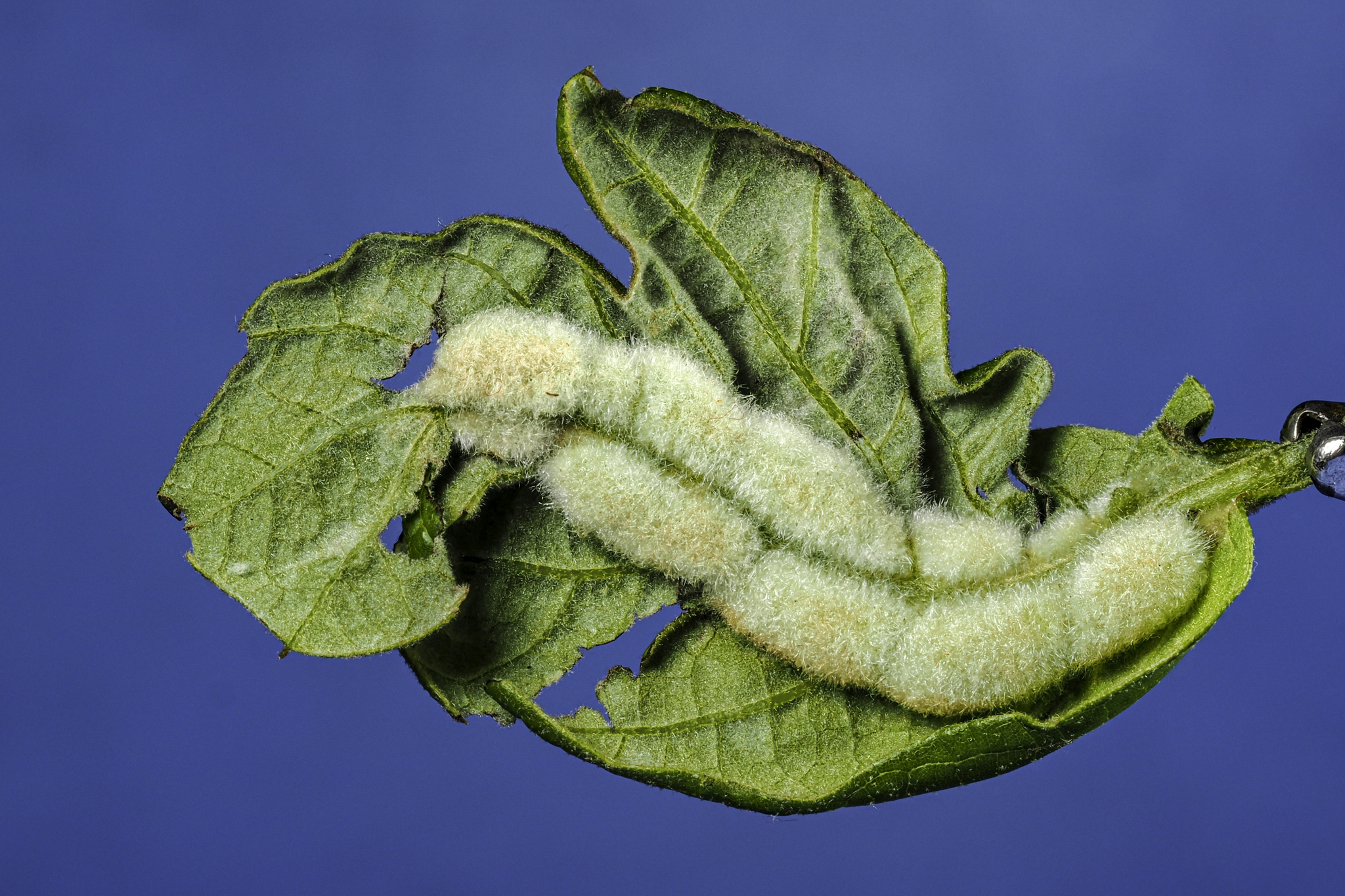
Deformation of oak leaves, consisting of a large fold with a white pubescence on the inside. It begins very early in the spring on the young leaves of the white oak and other kinds of oak. The egg is probably deposited on the upper surface of the leaf, on one of the ribs. The irritation caused by the larva produces a fold or cavity in the leaf, lined inside with a white pubescence. The under side of the leaf shows on the corresponding spot the swollen rib, which is pale green, bordered on both sides by the same white pubescence. The galls, according to their size, contain more or less larvae, sometimes ten or more. When this deformation is very large, it involves the whole leaf, which is folded in two along the midrib, the under side forming the outside of the fold, and showing the swollen ribs with the white pubescence in their intervals. On the 25th of May I found some of the galls considerably grown, thick, and swollen; their pubescence was of the brightest white; the larvae they contained were also grown, plump, white. Other galls, on the contrary, had grown but little, and appeared sickly or withered. They contained no larvae at all, or their inmates appeared yellowish and sickly.